In Pursuit of Dashi: Kaiseki Rituals in Old Kyoto
By Elena Rostova • Field Dispatch from the Higashiyama Foothills
1. Soft Mountain Waters and Ancient Wells
Before dawn in the alleyways behind Nanzen-ji, the only audible movement is the steady hum of groundwater drawn from fifty meters beneath the cedar-clad slopes. In Kyoto, cooking does not begin with heat; it begins with mineral softness. The city's subterranean basin cradles spring water with a near-zero hardness, a purity essential for drawing out glutamates without astringency.
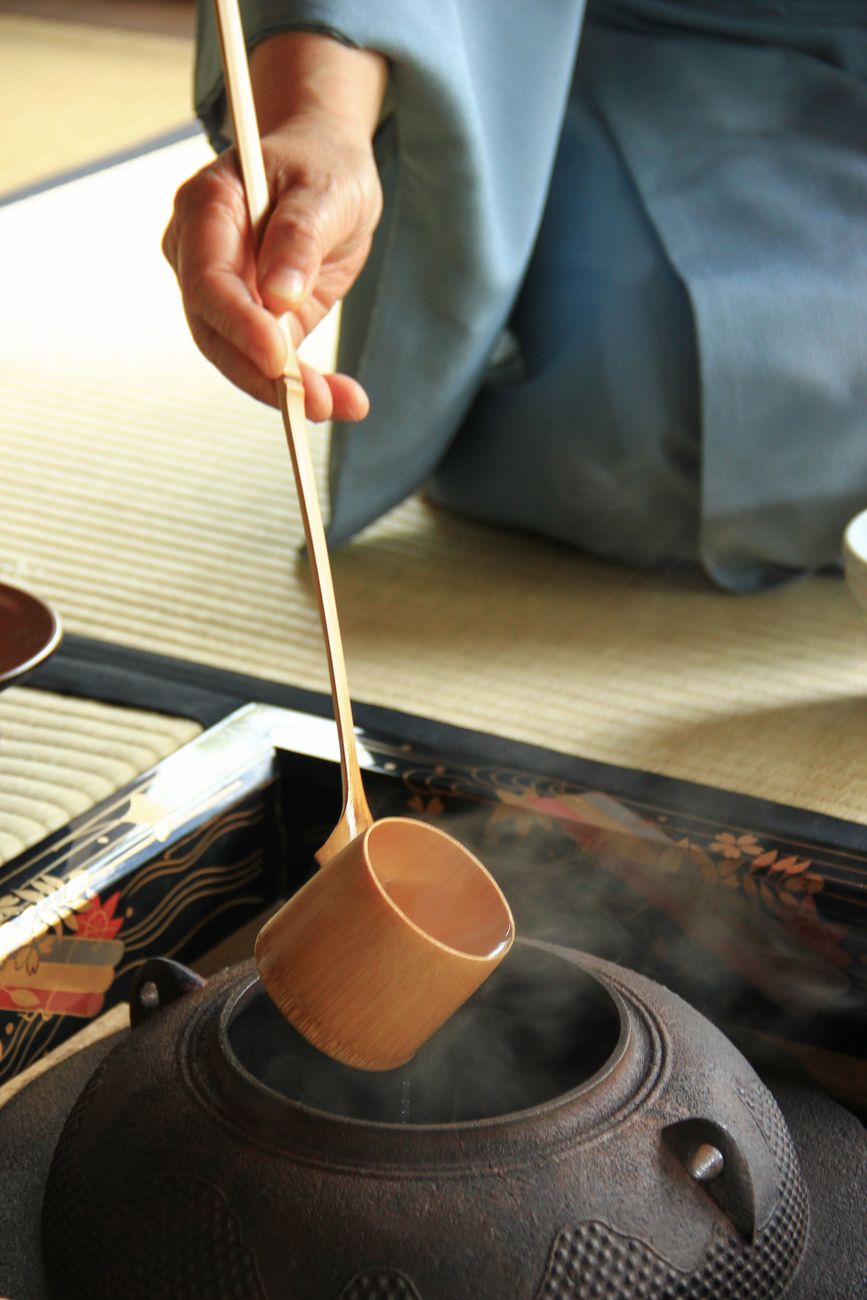
Master Chef Takeshi Morimoto stood before a copper kettle as steam drifted like morning mist over tatami mats. “If the water carries even slightly too much magnesium,” he explained through our translator, “the kombu clams up and refuses to speak.”
“True culinary mastery does not impose flavors upon ingredients; it clears a quiet clearing where they can unveil themselves.”
2. The Cellars of Rishiri Kelp
In a dark, temperature-controlled timber storehouse dating back to the late Edo period, Morimoto showed us bales of Rishiri kelp harvested from cold Hokkaido reefs and aged for three full winters. Like fine Bordeaux, aged kelp loses its sharp briny scent, exchanging it for deep autumnal notes reminiscent of sun-warmed forest humus.
When combined with paper-thin shavings of aged skipjack tuna (katsuobushi), the broth turns golden within minutes. It is tasted without salt: a profound umami resonance that blossoms at the back of the palate, awakening sensory nerve endings rather than shocking them.
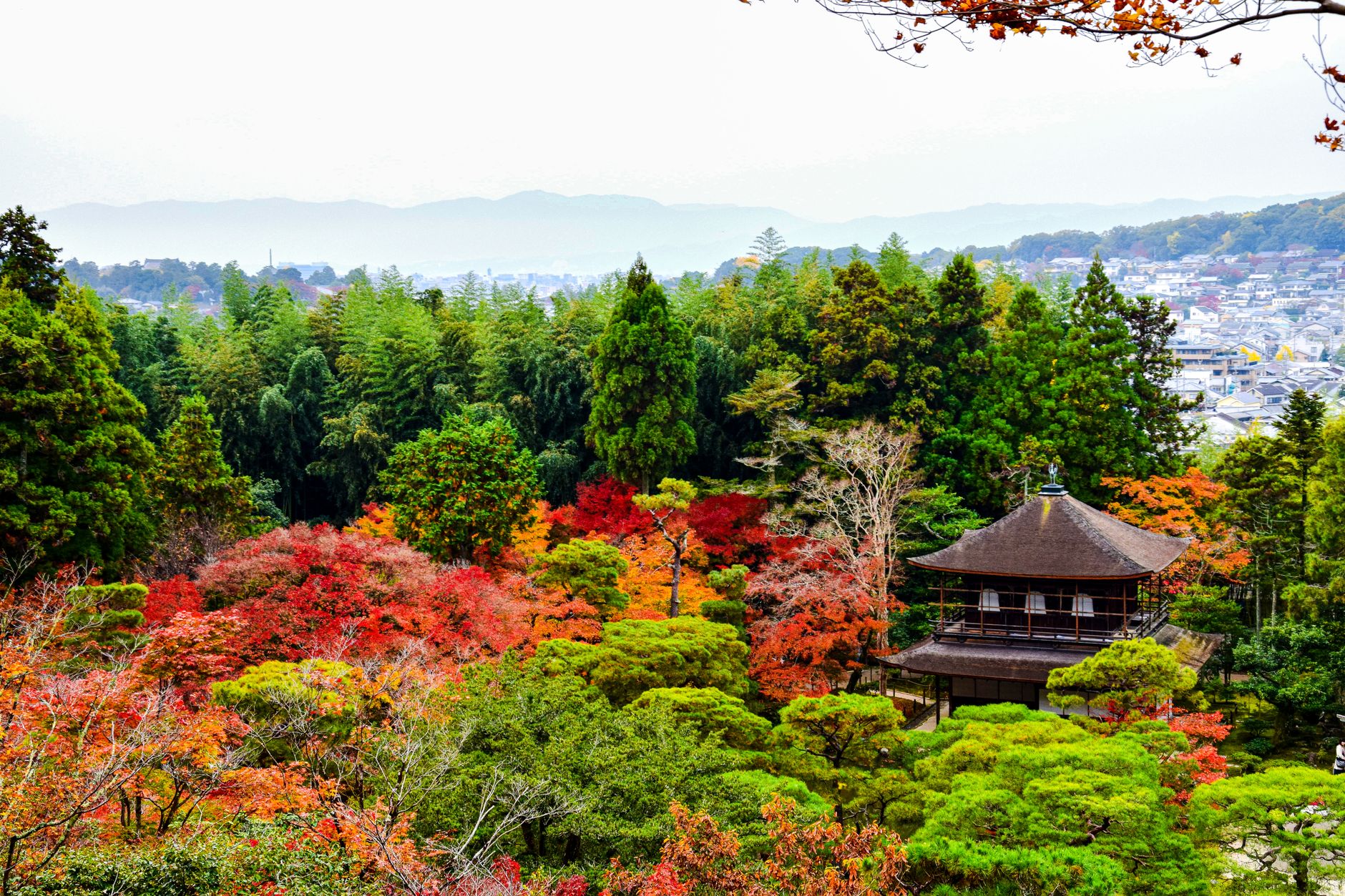
The contemplation garden at Daitoku-ji where seasonal tea ceremonies reflect seasonal transitions.
3. The Seasonal Ephemeral (Shun)
Kaiseki gastronomy revolves around the concept of shun — the fleeting window of seven to ten days when an ingredient is at its peak. In spring, it is wild bamboo shoots dug from the soil before breaking sunlight; in autumn, it is matsutake mushrooms wrapped in aromatic cedar needles.
For the traveler, dining in this manner is an exercise in mindfulness. One is grounded irrevocably in the precise calendar week, acknowledging the ephemeral beauty of both the journey and the season.